Lead Paint Removal in Concord

Concord Lead Paint Removal arranges testing, abatement and lead-safe repair for Concord houses and apartments old enough to carry lead paint. By the 2020-2024 American Community Survey, 35,237 of the city’s homes (73.9%) predate 1980, and 32,059 of its 47,703 homes went up in the three decades from 1950 to 1979. About 38% of homes are rented, and about one in four sits in a building with five or more units.

Two agencies divide the work in California. The state health department (CDPH) certifies lead inspectors and abatement crews under its Title 17 rules, while the EPA, not the state, certifies renovation firms. Houses finished in 1978 or later sit outside the pre-1978 rules, a point worth knowing because the survey’s 1970s group runs to the end of that decade.

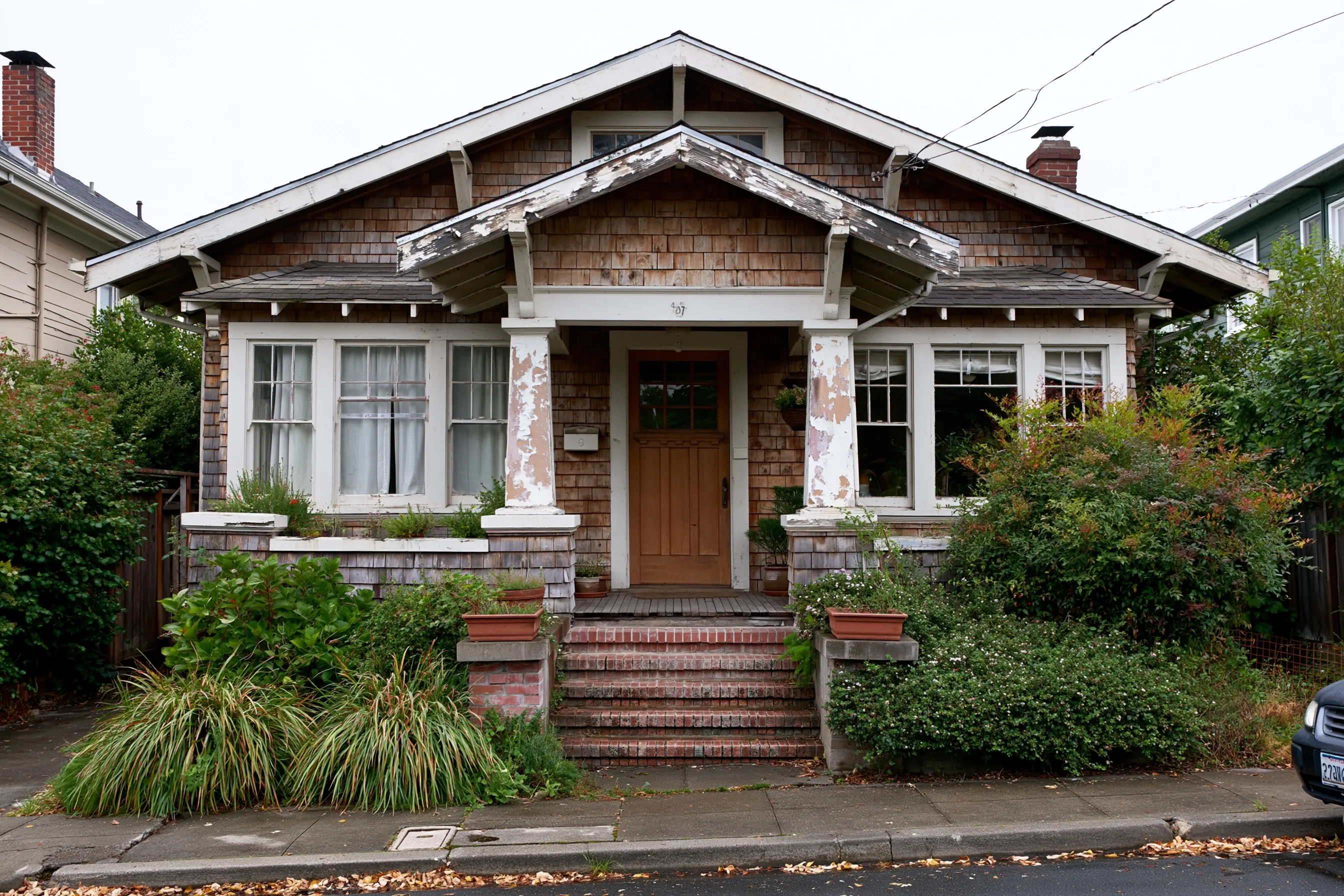
1920s craftsman bungalow with wood shingle siding, white-painted porch columns and trim with worn paint, front garden
Lead paint inspection and testingExterior lead paint removalLead paint window and door workLead-safe renovation and remodelingLead paint encapsulationApartment and multi-family lead paint work

Lead paint services

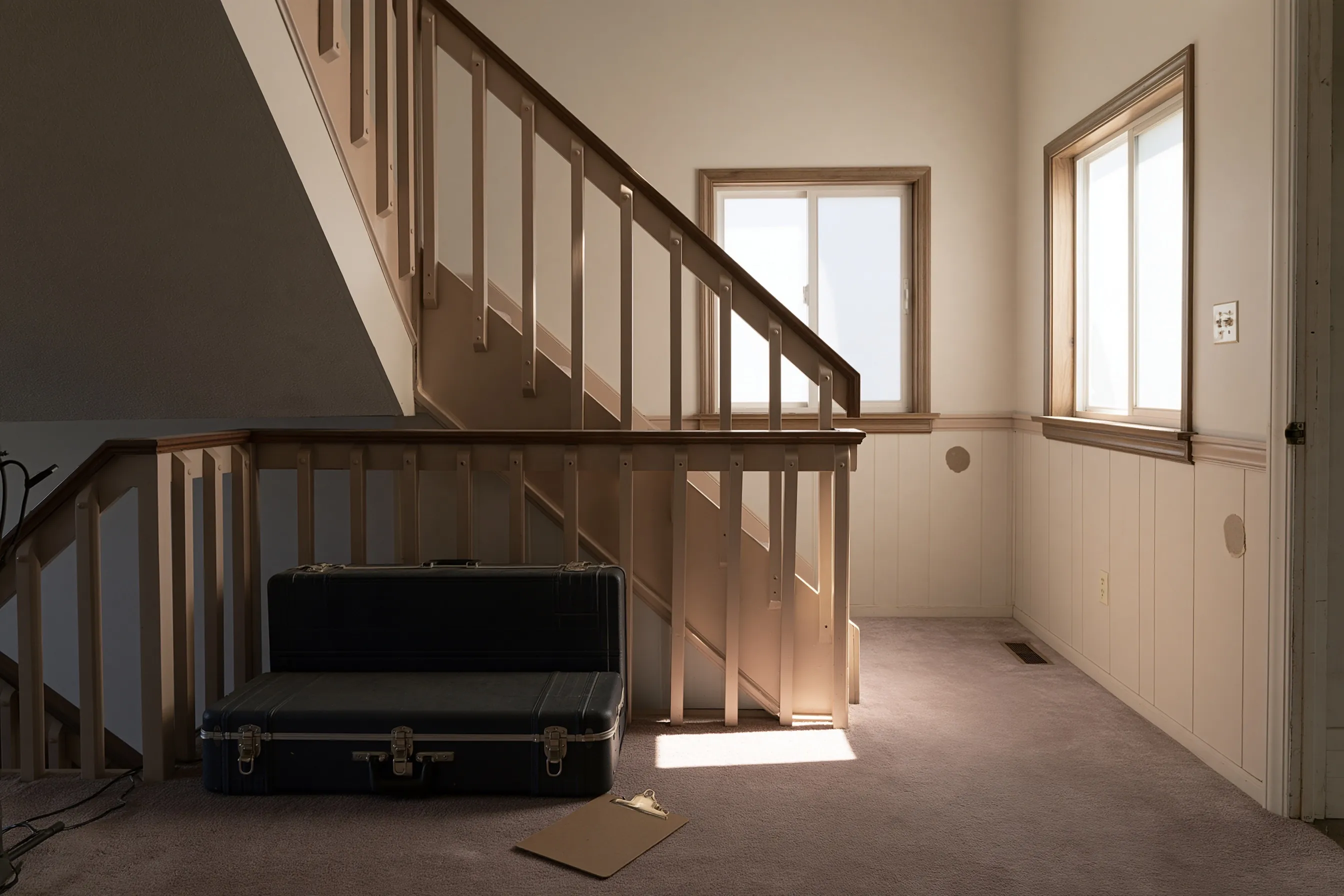
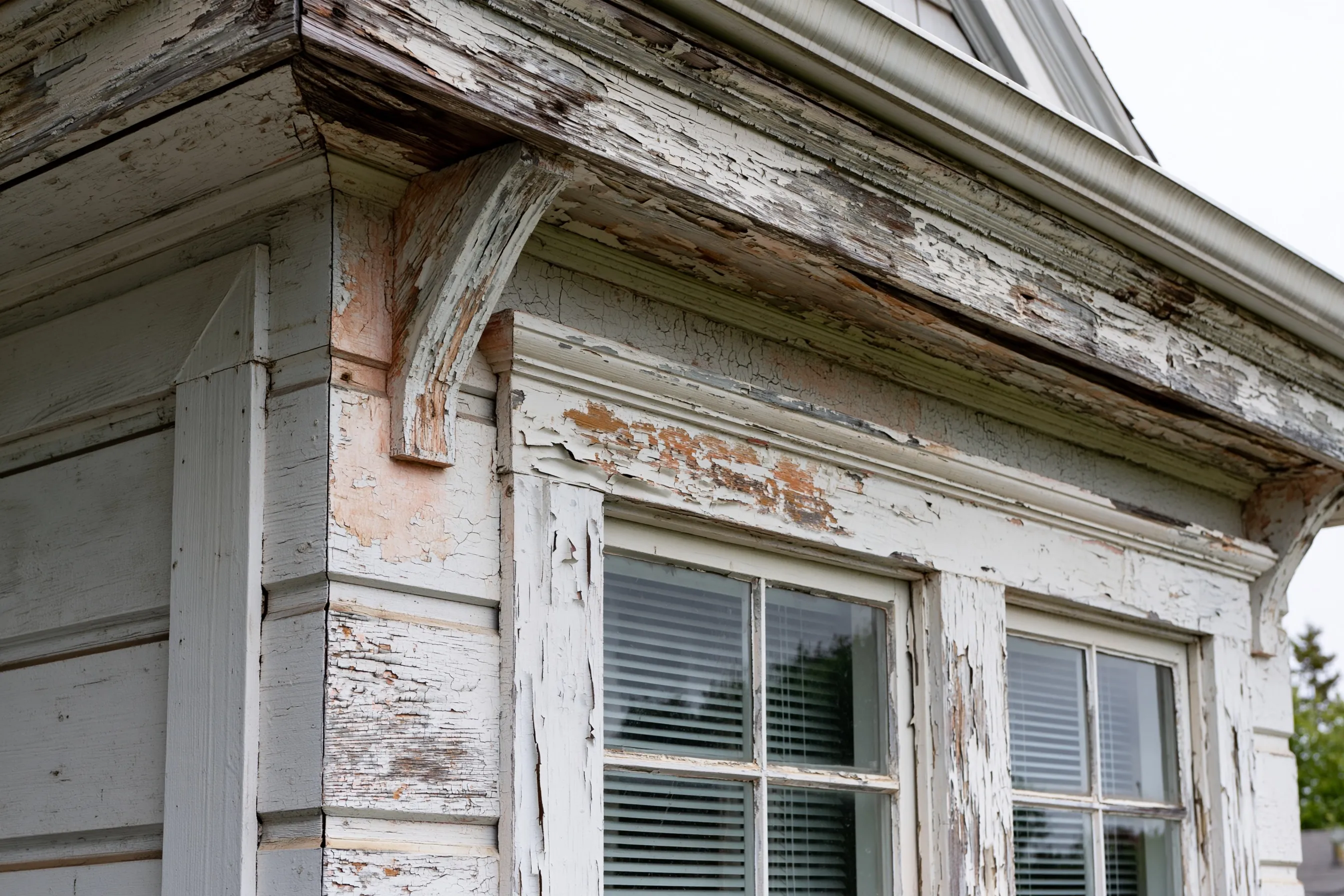
Wood stair railings and a wainscoted wall on a landing, with a closed black hard case and a flat sheet of cardboard on the carpetClose-up of an eave, fascia and window trim on an older wood-sided house with layers of white paint peeling and cracking

Lead paint inspection and testing

California reserves paid inspections, risk assessments and clearance checks for certified people: an Inspector/Assessor for all three, a Project Monitor for clearance alone. CDPH keeps public lists, so you can verify who arrives at your door. What comes back is a written report, and it settles how much paint has to be touched at all.

Exterior lead paint removal

Stucco, wood siding, eaves, fascia and garage trim on Concord’s 1950s to 1970s ranches and split-levels may hold old coats. Work outdoors happens inside containment, because Title 17 calls disturbing lead paint without it a hazard in its own right, blasting included. Crews on abatement jobs also post a CDPH notice first.

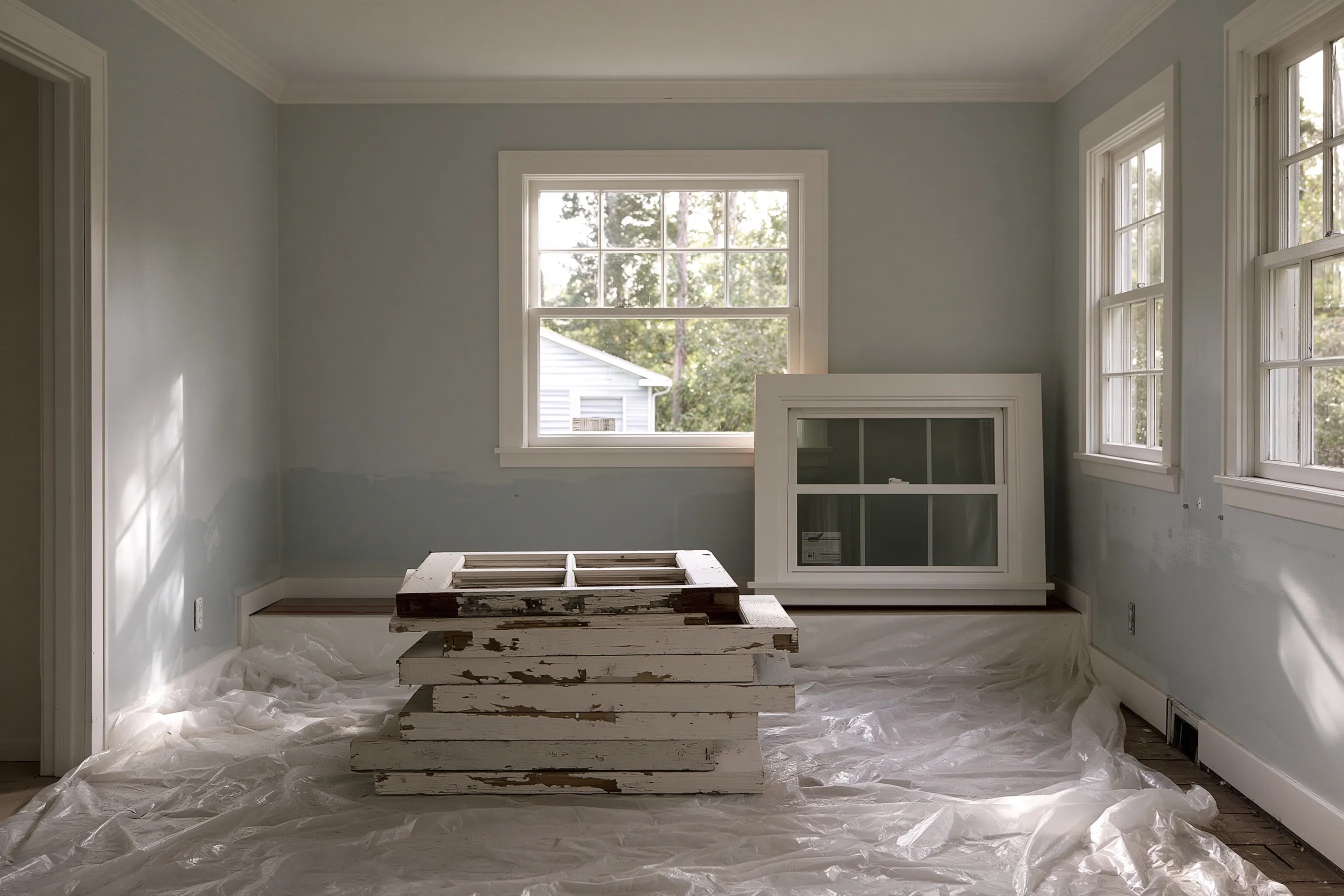
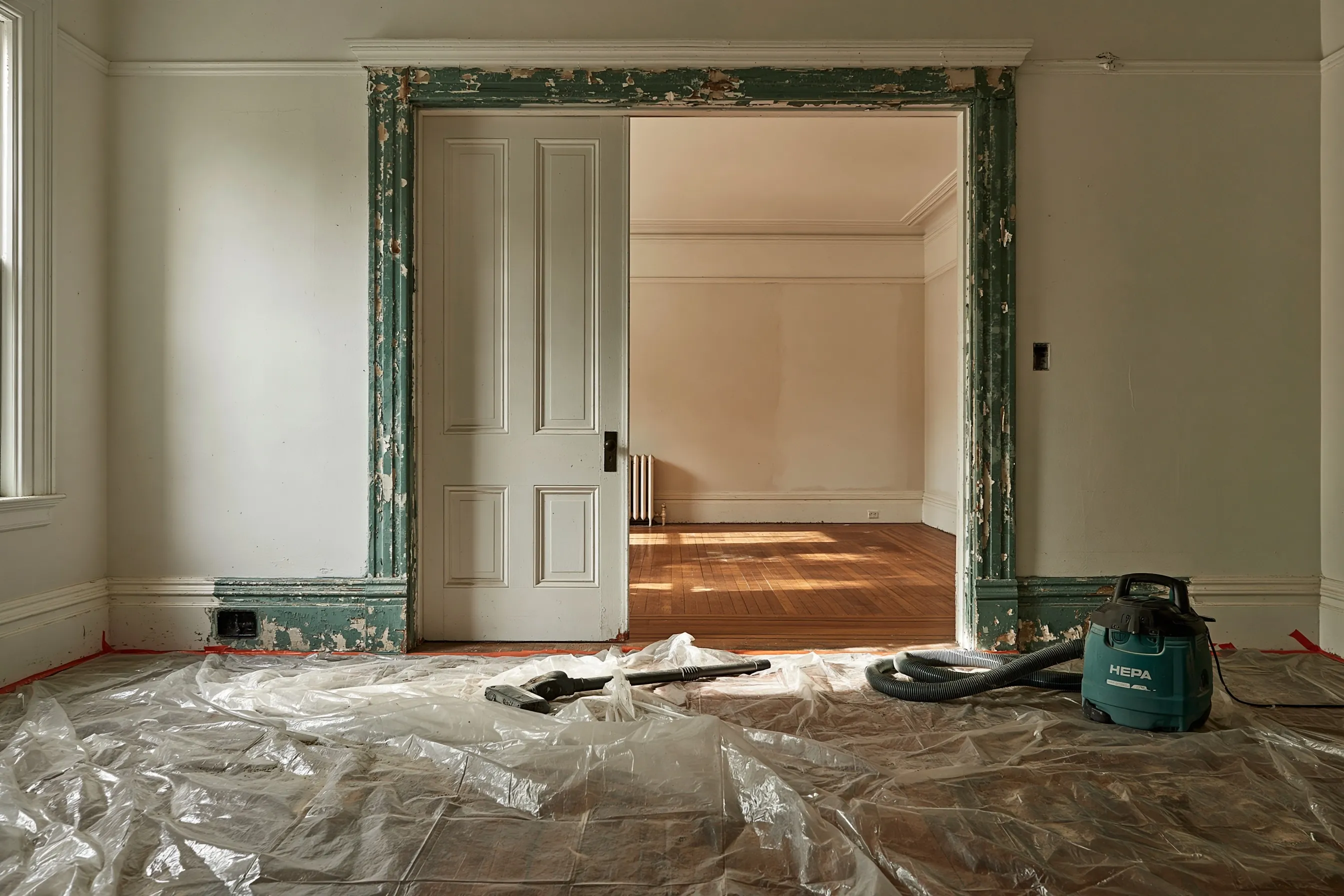
Old paint-chipped wood sashes stacked on plastic sheeting and a new double-hung unit leaning ready below a windowInterior door frame and baseboard with layered old paint, room prepared with plastic sheeting

Lead paint window and door work

A window swap in Concord touches two rulebooks. The Building Division’s bulletin lists windows, whether new, replacement or retrofit, as permit work, and in a house built before 1978 the EPA rule treats the job as renovation at any size. Keeping and stripping the original frame is the alternative, done with the paint contained.

Lead-safe renovation and remodeling

Concord’s permit list includes kitchen and bath remodels, room additions and re-roofs, and in a pre-1978 house those jobs also kick up old paint. EPA rules cover the dust control, through a certified firm and renovator, sealed rooms and a wipe-down check. CDPH is still drafting California’s own renovation regulations.

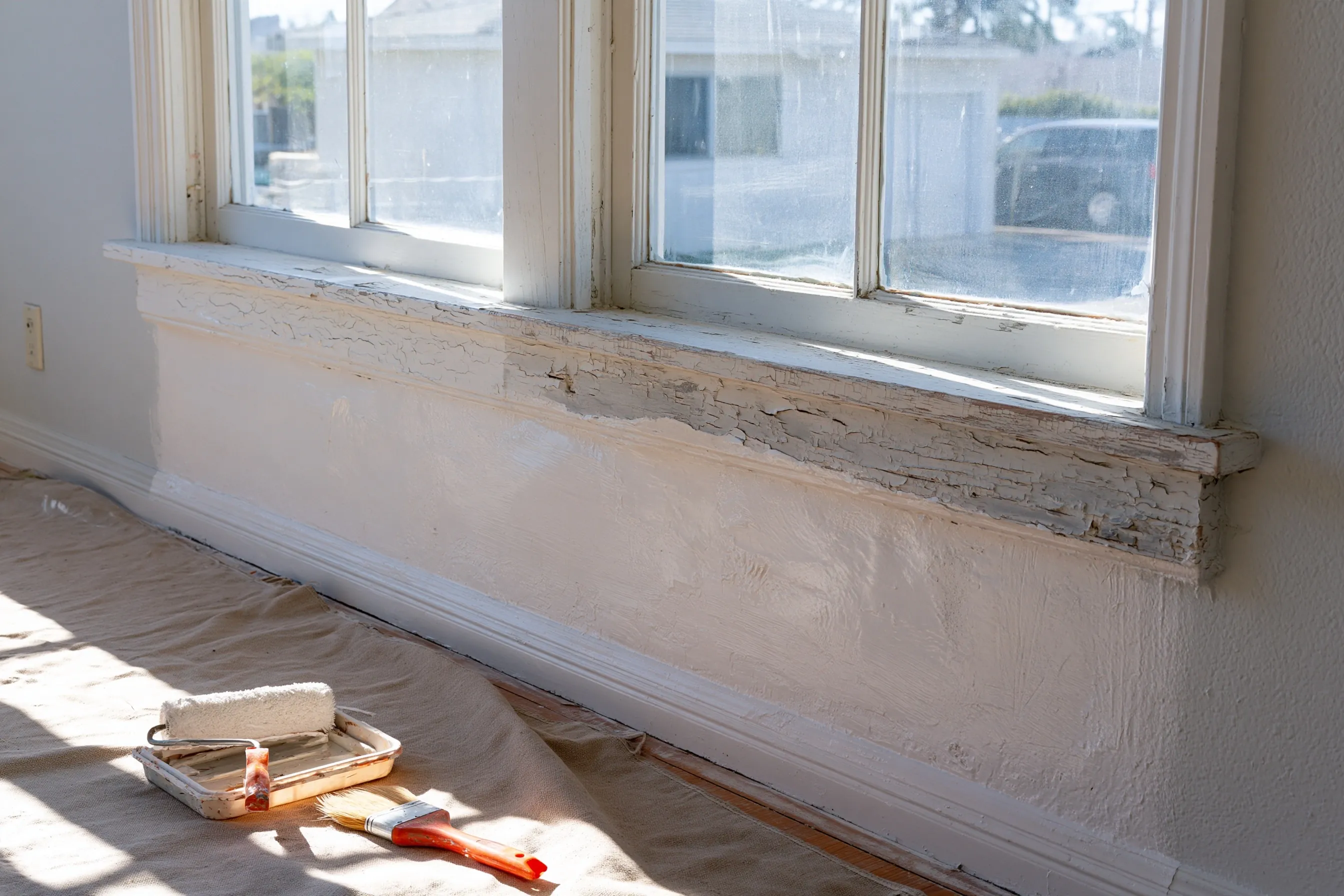
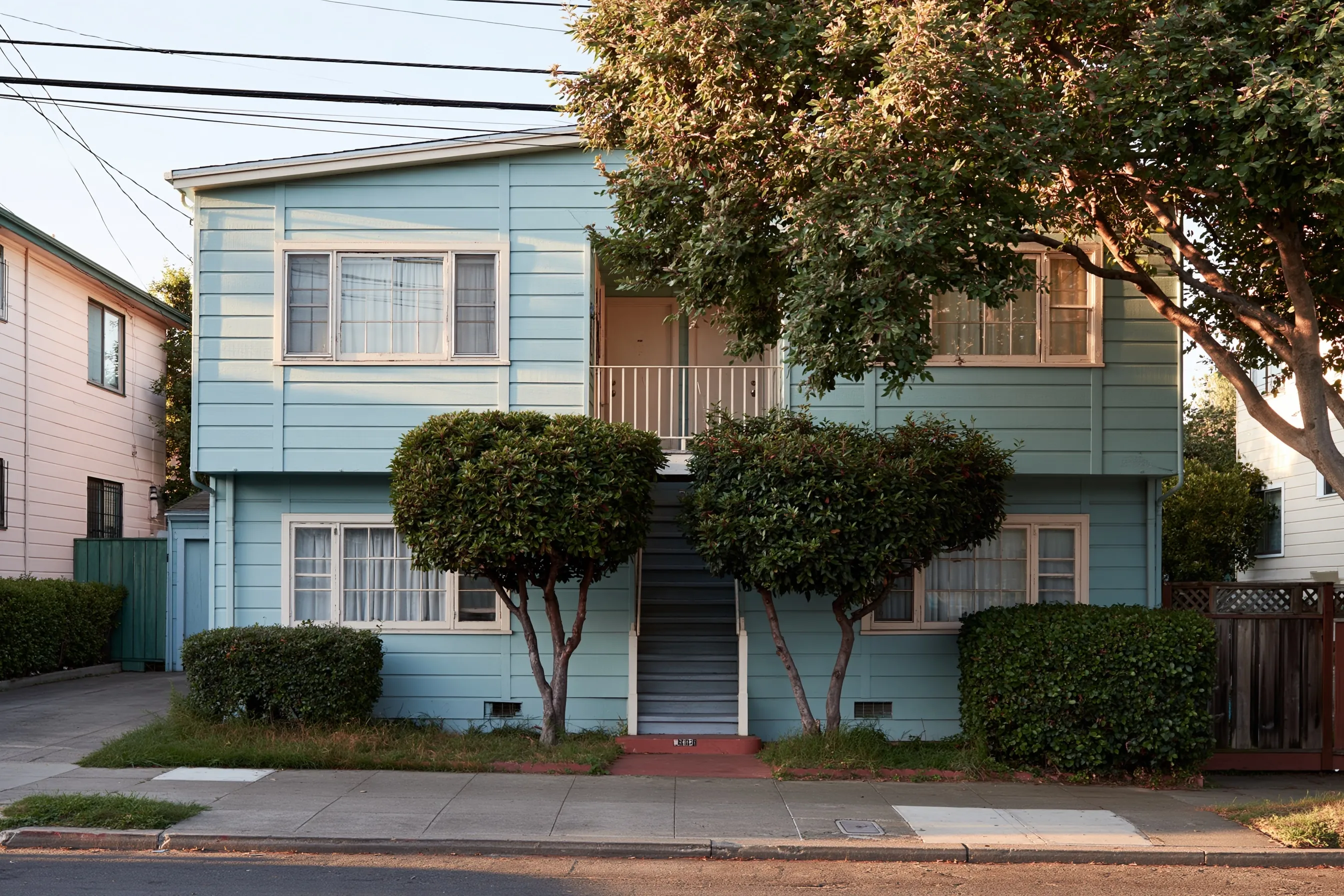
Older painted plaster wall below a cracked painted wood window sill, partly coated with encapsulant paint, tray and brush on a drop clothTwo-story apartment building with painted wood siding, wood-framed windows and an exterior stair, two trimmed street trees in front

Lead paint encapsulation

Sound paint on a bedroom wall or in an apartment stairwell may not have to be removed, because it can be coated or covered instead. The label depends on intended lifespan. Work designed to hold for two decades or longer is abatement for certified workers with a written plan; anything shorter is an interim control, which needs no certification but still follows Title 17.

Apartment and multi-family lead paint work

A rental building with four or more units falls under Concord’s two-year inspection cycle, which looks at exteriors and grounds among other things and says nothing about lead. Even so, a flaking railing or stair is the kind of defect an inspection can surface, and paid repainting in a pre-1978 building is EPA renovation work. Disclosure at each lease completes the picture.

Lead paint testing and removal costs

Each line is hired labor plus materials and any lab fees for a typical job in Concord, Martinez and Pleasant Hill, one line per job size. A small, easy job sits near the low end. The open top end is for more painted parts, high or detailed work, rotten wood found under the paint, occupied units, or a failed clearance test that means cleaning again.

Lead paint inspection and testing

  • Test of the rooms or parts a project will touch$300 – $700+
  • Whole house up to 2,500 sq ft$350 – $975+
  • Large house over 2,500 sq ft$575 – $1,250+
  • Risk assessment with dust and soil samples, one house$700 – $2,000+
  • Clearance test after lead work$250 – $700+
What is included

Readings or paint chips from each type of painted surface, or dust and soil samples for a risk assessment, and a written report of what tests positive and what does not. Rush reports and extra lab samples cost more.

Get a free quoteSee an example project

Exterior lead paint removal

  • Eaves and fascia on one side, about 100 sq ft$950 – $2,350+
  • Porch and railings, about 150 sq ft$1,600 – $4,500+
  • One-story house, peeling trim, eaves and siding or stucco$5,750 – $16,250+
  • Two-story house$11,500 – $34,500+
What is included

Plastic on the ground and around the wall, loose paint misted and scraped or stripped from eaves, fascia, trim, siding, porches and stucco, waste bagged, primer and paint on the bare wood, and a check for chips and dust at the end. Rotten wood, stucco repair and scaffolding cost extra.

Get a free quoteSee an example project

Lead paint window and door removal

  • One window replaced$475 – $1,425+
  • About 4 windows replaced$1,650 – $4,900+
  • About 10 windows replaced$4,800 – $14,400+
  • One or two old windows or doors stripped and restored, originals kept$700 – $2,050+
What is included

Old windows or doors taken out with plastic inside and out and new units fitted, or the originals stripped, repaired and repainted, then cleanup and a check of the sills. Custom sizes and period doors cost more.

Get a free quoteSee an example project

Lead-safe renovation and remodeling (add-on)

  • Small repair, one room$500 – $1,250+
  • Kitchen or bathroom remodel$1,550 – $4,500+
  • Several rooms or a whole floor$3,800 – $10,750+
What is included

What lead-safe work adds to a remodel, repair or repaint in a pre-1978 home: rooms sealed with plastic, old paint misted before it is disturbed, HEPA vacuuming, cleaning each day and at the end, a cleaning check and waste bagged. The project itself is priced separately.

Get a free quoteSee an example project

Lead paint encapsulation

  • About 300 sq ft of trim and walls sealed, one room or the outside trim$1,400 – $4,100+
  • About 1,000 sq ft sealed, several rooms or one outside wall$4,600 – $13,800+
  • One room's walls covered with new drywall, about 350 sq ft$3,200 – $7,750+
What is included

Loose paint misted and scraped, then a coating made to seal lead paint over sound walls and trim, or new drywall over the walls. Work meant to last 20 years or more adds a written plan and a clearance test.

Get a free quoteSee an example project

Apartment and multi-family lead paint work

  • Lead inspection, small apartment building or duplex$800 – $2,050+
  • One unit: peeling paint fixed (about 100 sq ft), cleaned and tested$1,800 – $4,850+
  • One unit: paint fixed and about 8 old windows replaced, with clearance$5,600 – $16,500+
What is included

Testing of a small apartment building, or one unit’s peeling paint repaired the lead-safe way with cleaning and a clearance test. The top line also covers about eight old windows replaced. Whole buildings are priced after their test.

Get a free quoteSee an example project

Ranges are 2026 estimates, not quotes. Your written estimate is free and comes after we have seen the home.

Our process

01

Confirm the build year

Find out when the building went up. Federal lead paint rules stop at 1978, the year lead-based paint was banned from home use, so a deed, a county record or an old permit can settle the question quickly. Later remodeling does not make old walls new.

02

Test before anything is scraped

The EPA treats pre-1978 paint as lead-based unless it has been shown otherwise, so testing is not required first. It is still the cheapest way to avoid treating every surface as lead. A CDPH-certified Inspector/Assessor tests, and cannot be the same party who later removes the paint.

03

Pick the route

Three options follow from the report: abatement (removal or a long-term seal), an interim control (a shorter-lived fix) or lead-safe renovation (another project proceeds with the dust controlled).

04

Notice, containment, clearance

Abatement needs a Form 8551 on file with CDPH at least five days earlier, plus a posted copy at the site. All lead work is contained, nothing visible may remain at the end, and permanent abatement finishes with clearance.

Concord homes by age

Concord’s 2030 General Plan traces the city to 1868, when Don Salvio Pacheco laid out 20 acres of his rancho as the town of Todos Santos after earthquake damage to nearby Pacheco. The housing that matters for lead came later. The plan says the population grew 408 percent between 1940 and 1950 and 419 percent between 1950 and 1960, as farmland became subdivisions, and that Concord was the largest city in Contra Costa County by 1970.

The survey data show it. Homes from before 1950 are 6.7% of Concord’s stock and homes from before 1960 are 25.8%, yet the 1950s alone brought 9,135 homes, the 1960s 11,010 and the 1970s 11,914. Expect a post-war tract house or a 1960s apartment block before a Victorian; either way testing comes first.

Contra Costa County rules and programs

Concord is in Contra Costa County, where no county or city lead paint repair grant is confirmed here; ask the county whether any help applies. Contra Costa was not one of the ten jurisdictions that shared the 2019 lead paint settlement with Sherwin-Williams, ConAgra and NL Industries; Alameda County was. Nothing here promises funding or eligibility.

CDPH’s county directory lists a Childhood Lead Poisoning Prevention Program run by Contra Costa County Public Health, at (925) 608-5318. The lead rules that apply to Concord homes come from state law, Title 17 and the federal EPA rules.

Concord and nearby cities

Concord Lead Paint Removal takes work in Concord, California, and has separate pages for two neighbors: Martinez, where 14.0% of homes predate 1950, and Pleasant Hill, whose largest older group is the 1950s. If your address is elsewhere in central Contra Costa County, send it and we will say whether it is within reach.

Frequently asked questions

What is required for lead abatement in California?

Certified people and a paper trail. A CDPH-certified Supervisor or Worker does the work under a written plan, Form 8551 is posted and sent to CDPH at least five days before it begins, the area is contained, and permanent abatement ends in a clearance inspection. The evaluator may not be the one who abates the same structure.

Is lead paint removal considered abatement?

It can be. Under Title 17, work designed to reduce or eliminate lead hazards for 20 years or more is abatement. Shorter-term measures are interim controls, which need no CDPH certification but still follow containment and clean-up rules. Removal done only to get ready for a remodel is renovation, which the EPA rule covers.

Is a lead certificate required in California?

For some work, yes. A paid lead inspection, risk assessment or clearance needs a CDPH Inspector/Assessor, a Project Monitor may do clearance only, and abatement needs a Supervisor or Worker. Renovation firms hold EPA certification instead. CDPH lists certified people, with expiration dates, so you can look a name up.

Can I get rid of lead paint myself?

The EPA renovation rule applies to paid work, so it does not reach every owner project, but the dust is the same either way and we do not give removal steps. If a child or pregnant person lives in the home, testing first and hiring certified help are the safer course. CDPH’s lead program publishes guidance for owners.

Does home insurance cover lead paint removal?

Policies differ, and we do not know yours. Ask your insurer in writing whether lead paint removal or testing is covered, and under which cause of loss. Do it before work starts, and keep the test report, since an insurer may ask for it.

Request a free lead paint removal quote

Send the street address and an approximate build year, then the plan (repaint, remodel, sale, tenant change or repairs). Mention anyone living there, children in particular, and any lead report on file. We'll get back to you soon with an estimate or any questions we have. Estimates are free and there's no obligation.

Call (925) 445-2575

Call (925) 445-2575